


Pregnancy and the Garden Grove Chemical Emergency
June 1, 2026
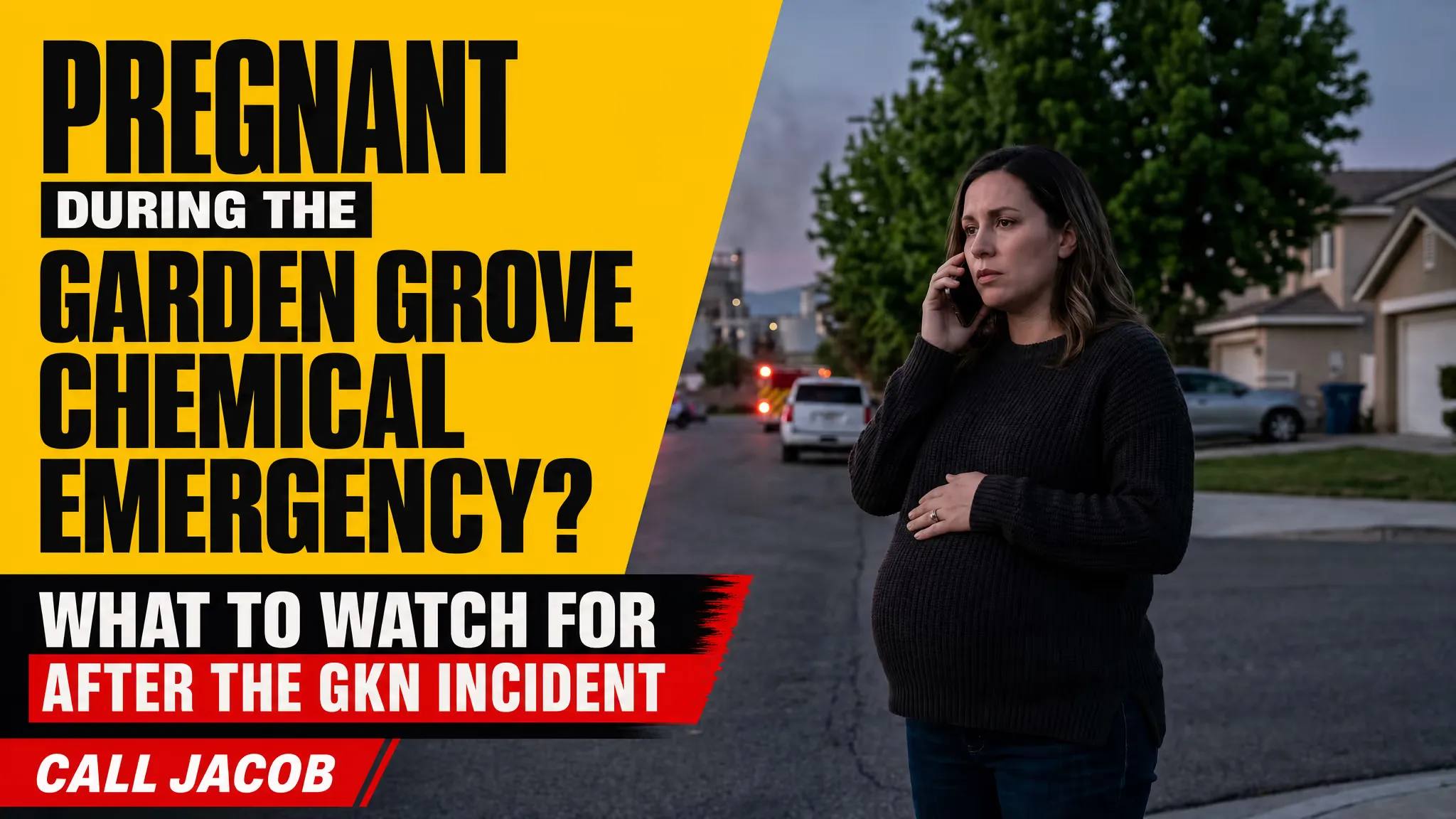
The Garden Grove chemical emergency at the GKN Aerospace facility forced thousands of residents to evacuate after a tank containing methyl methacrylate overheated and began venting vapors. Officials have since lifted evacuation orders, but for pregnant women, the disruption and possible exposure can still raise serious concerns.
Methyl methacrylate is a flammable industrial chemical with a sharp, fruity odor. According to CDC/NIOSH guidance, exposure can irritate the eyes, skin, nose, throat, and lungs. People may experience coughing, shortness of breath, headache, dizziness, nausea, skin irritation, or burning eyes.
Pregnant women should take these symptoms seriously because pregnancy can make breathing issues, dehydration, stress, and sleep loss more physically taxing. Even when a person does not feel seriously ill right away, chemical odor exposure, evacuation stress, disrupted sleep, missed work, and interrupted prenatal routines can all affect a pregnant person’s physical and emotional well-being.
Why Pregnant Women Should Be Extra Careful
During pregnancy, the body is already working harder. The heart and lungs are under more strain, nausea and dehydration can become more serious, and stress can hit harder than it normally would. That does not mean every exposure will cause harm, but it does mean pregnant women should be careful, document symptoms, and speak with a healthcare provider if they were in or near the affected area.
If you are pregnant and were near the evacuation zone, smelled strong chemical odors, had symptoms, or had to leave your home, contact your OB-GYN or healthcare provider and explain exactly what happened. Tell them your trimester, where you were, how long you may have been exposed, whether you smelled chemicals, and what symptoms you experienced.
You can also call Poison Control at 1-800-222-1222 for exposure guidance.
Symptoms to Watch For
Pregnant women and their families should pay attention to symptoms such as:
- Coughing, wheezing, or shortness of breath
- Burning eyes, nose, or throat
- Headache, dizziness, or lightheadedness
- Nausea or vomiting
- Skin irritation, rash, redness, or burning
- Chest tightness or unusual fatigue
- Anxiety, panic, sleep disruption, or emotional distress after the evacuation
When to Seek Medical Care Right Away
Seek urgent medical care immediately if you experience:
- Trouble breathing
- Chest pain
- Fainting or severe dizziness
- Repeated vomiting
- Severe headache
- Contractions
- Vaginal bleeding
- Leaking fluid
- Fever
- Burns, blistering, or a worsening rash
- Decreased fetal movement
These symptoms should not be ignored, especially during pregnancy.
Keep Records of Everything
Pregnant evacuees should document what happened as soon as possible. Keep receipts for:
- Hotels or temporary housing
- Food and water
- Transportation or gas
- Childcare
- Medication
- Medical visits
- Cleaning supplies
- Lost wages or missed work
It is also a good idea to write down when you evacuated, where you stayed, what symptoms you noticed, whether you smelled chemical odors, and how the incident affected your sleep, stress, prenatal care, work, and family routine. Save text messages, emails, photos, notices, medical paperwork, and communications with landlords, employers, emergency responders, or public officials.
Your Losses May Be More Than Out-of-Pocket Expenses
A common misconception is that people affected by an evacuation can only recover a small amount for direct expenses like gas, hotel stays, or food. But the impact may be bigger than that.
For pregnant women, the harm can include medical visits, lost income, emotional distress, fear about chemical exposure, disrupted prenatal care, and the stress of being forced out of the home during an already vulnerable time.
Even if you did not have a visible injury, the disruption and emotional impact may still matter. Pregnant women should not assume their only recoverable losses are a few out-of-pocket expenses.
If you were pregnant during the Garden Grove GKN chemical incident and need help understanding your rights, Call Jacob.
Sources
- AP incident coverage: https://apnews.com/article/1c4a885d5bc02770f112f4ffc8226728
- CDC/NIOSH methyl methacrylate guidance: https://www.cdc.gov/niosh/npg/npgd0426.html
- CDC reproductive health solvent guidance: https://www.cdc.gov/niosh/reproductive-health/prevention/solvents.html
- CDPH methyl methacrylate fact sheet: https://www.cdph.ca.gov/Programs/CCDPHP/DEODC/OHB/HESIS/CDPH%20Document%20Library/mma.pdf